The Body of Christ Series & The Mysteries of Christ Series
When the Scriptures declare that “it is required in stewards, that a man be found faithful” (1 Corinthians 4:2), the interpreter must resist the common tendency to bypass the immediate literary and theological context in favor of generalized application. A contextual precise exegesis of the passage compels a prior engagement with its explicit declaration. The Apostle Paul asserts:
“Let a man so account of us, as of the ministers of Christ, and stewards of the mysteries of God” (1 Corinthians 4:1, KJV).
This statement establishes a foundational ecclesiological reality: believers are called not to a generic stewardship of Christian ethics, but specifically to the office of ministers of Christ and stewards of the mysteries of God. The critical question, too seldom posed with sufficient rigor, is this: What precisely are the mysteries of God?
A faithful steward must first identify the nature and content of these mysteries those sacred truths once hidden in God from previous ages but now revealed through the Apostle Paul for the present dispensation of grace. Only then can one rightly discharge this stewardship. For divine approval rests upon the precise and unwavering administration of these formerly concealed realities concerning Christ, His Church as the one new man, and the outworking of God’s eternal purpose in this age.
Principal #1: The Scriptural Contrast: Peter’s Prophetic Message to Israel vs. Paul’s Revelation of the Mystery
The Scriptures present a clear dispensational and contextual distinction between the message proclaimed by the Apostle Peter to Israel and the message entrusted to the Apostle Paul for the Church, the Body of Christ. This distinction rests upon the difference between prophecy (what was foretold) and mystery (what was previously hidden).
Peter’s Preaching: In Accord with Prophecy
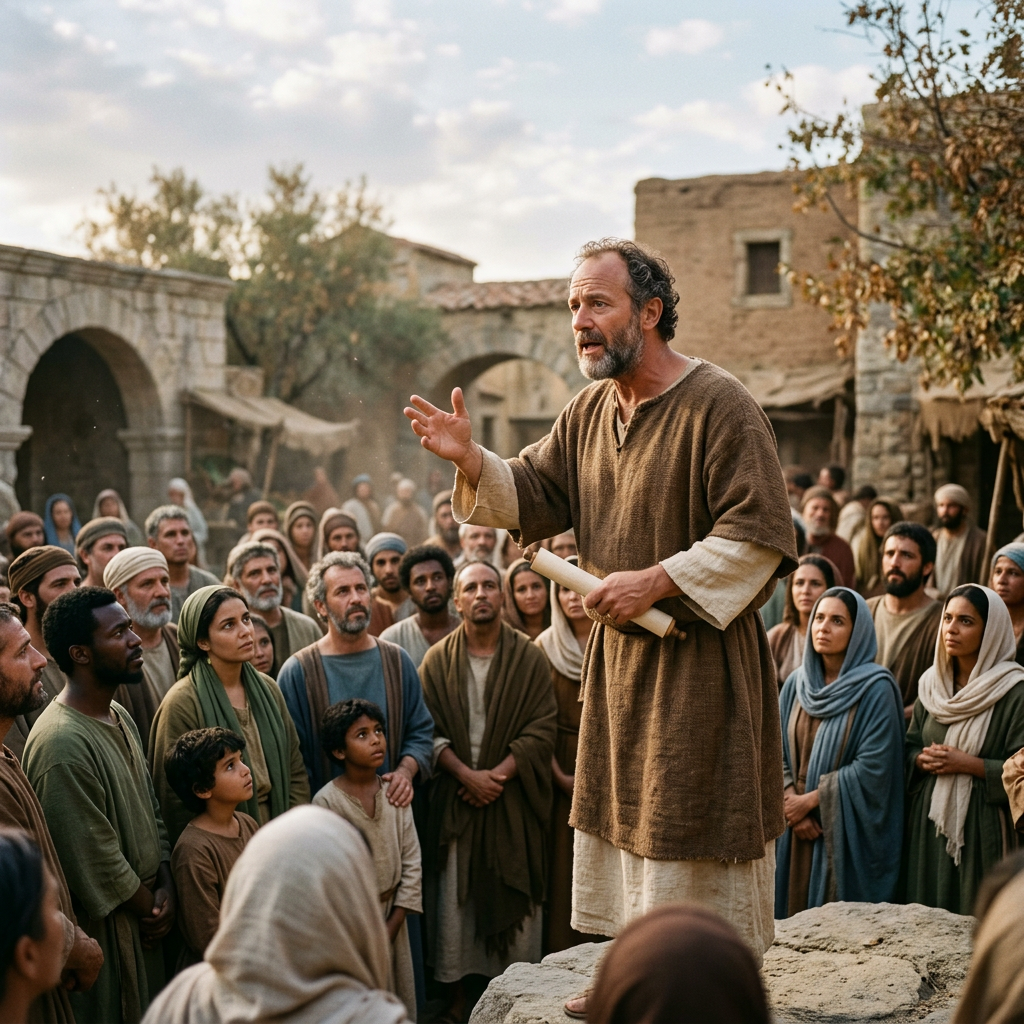
On the Day of Pentecost, Peter addressed the nation of Israel directly. His message was firmly rooted in the Old Testament prophetic program. Speaking to the crowd, he declared:
“Ye men of Israel, hear these words…” (Acts 2:22, KJV).
“Repent ye therefore, and be converted, that your sins may be blotted out, when the times of refreshing shall come from the presence of the Lord; And he shall send Jesus Christ, which before was preached unto you: Whom the heaven must receive until the times of restitution of all things, which God hath spoken by the mouth of all his holy prophets since the world began” (Acts 3:19-21, KJV).
In contrast, the Apostle Paul received and proclaimed a body of truth that was not the subject of previous prophetic utterance. He describes his message as part of a divine plan conceived in eternity but kept secret until the proper time.
Paul writes:“Now to him that is of power to stablish you according to my gospel, and the preaching of Jesus Christ, according to the revelation of the mystery, which was kept secret since the world began, But now is made manifest…” (Romans 16:25-26, KJV).
“For this cause I Paul, the prisoner of Jesus Christ for you Gentiles, If ye have heard of the dispensation of the grace of God which is given me to you-ward: How that by revelation he made known unto me the mystery…” (Ephesians 3:1-3, KJV).
Summary of the Distinction
• Peter to Israel (Acts 2 & 3): Proclaimed what God had spoken through the prophets since the world began a continuation and fulfillment of Israel’s prophetic hope.
• Paul to the Body of Christ: Proclaimed what God had kept secret until revealed to him an entirely new dispensation of pure grace for Jew and Gentile alike in the Church, having no connection to Israel’s national covenants, land promises, or kingdom program.
This dispensational framework preserves the integrity of both programs: the prophetic (earthly, Israel-centered) and the mystery (heavenly, Church-centered). As stewards of the mysteries of God (1 Corinthians 4:1), believers today are called to rightly divide these truths (2 Timothy 2:15) and faithfully proclaim the distinctive message of grace committed to Paul for this present age.
In the Pauline epistles, the word “mystery” (Greek: mysterion) refers to divine truths or plans that were previously hidden from human understanding but have now been revealed by God through the apostles, especially Paul. These are not unsolved puzzles but “secrets” or “revealed truths” about God’s redemptive plan in Christ.
Paul uses the term frequently (around 20 times across his letters).
The Mysteries of God in the Apostle Paul’s Epistles
In his letters, the Apostle Paul frequently speaks of divine “mysteries” profound truths once hidden from humanity but now revealed through the gospel of Jesus Christ. These mysteries highlight God’s sovereign plan, His wisdom, and the inclusion of all believers (Jews and Gentiles alike) in the riches of Christ.
“For I would not, brethren, that ye should be ignorant of this mystery…” (Romans 11:25). The Apostle Paul unveils the profound secrets of God’s redemptive plan truths that were “kept secret since the world began” (Romans 16:25) but are now gloriously revealed. He writes of “the mystery of Christ” (Ephesians 3:4), urging believers to grasp his knowledge of these hidden realities.
This mystery encompasses “the fellowship of the mystery, which from the beginning of the world hath been hid in God, who created all things by Jesus Christ” (Ephesians 3:9). It was “hid from ages and from generations, but now is made manifest to his saints” (Colossians 1:26). Paul even prays earnestly for boldness “to make known the mystery of the gospel” (Ephesians 6:19) and asks the church to pray “that God would open unto us a door of utterance, to speak the mystery of Christ, for which I am also in bonds” (Colossians 4:3).
In these sacred revelations, we see the heart of the gospel: the partial blindness upon Israel until the fullness of the Gentiles comes in, the unification of Jew and Gentile into one body, and the unsearchable riches of Christ now available to all who believe. What was once concealed in the counsels of God has burst forth in the preaching of Jesus Christ, establishing and strengthening His people according to the everlasting gospel.
Illustration #1 John 5:39 (search) Ephesians 3:8 (unsearchable)
In John 5:39 (KJV), the Lord Jesus instructed His critics:
“Search the scriptures; for in them ye think ye have eternal life: and they are they which testify of me.”
This directive points to a body of truth that is searchable truths openly proclaimed and progressively revealed through the Old Testament prophets. These prophetic Scriptures concerning the Messiah and the coming kingdom were “spoken by the mouth of all God’s holy prophets since the world began” (Acts 3:21), forming the foundation of the message Peter preached to Israel.
By contrast, the Apostle Paul declares in Ephesians 3:8 (KJV):
“Unto me, who am less than the least of all saints, is this grace given, that I should preach among the Gentiles the unsearchable riches of Christ.”
The term “unsearchable” denotes truths so profound and boundless that they cannot be fully traced out or exhausted by human investigation. Unlike the searchable prophetic doctrines of the Old Testament, Paul’s message concerns the mystery divine truths that were deliberately “kept secret since the world began” (Romans 16:25) and “hid in God” (Ephesians 3:9) until sovereignly revealed to him for this present dispensation of grace.
Thus, while the Scriptures Jesus referenced could be diligently searched to identify the promised Messiah of Israel, the riches Paul was commissioned to proclaim to the Gentiles originate from an eternal, previously concealed plan. This mystery program centers on Christ in the Church, His Body truths independent of Israel’s covenants and promises (Ephesians 2:12) and reveals inexhaustible spiritual wealth available in this age of pure grace.
This powerful contrast underscores the unique stewardship committed to us: as “ministers of Christ, and stewards of the mysteries of God” (1 Corinthians 4:1), we are called to faithfully proclaim what was once unsearchable but has now been graciously revealed.
What was concealed in the divine counsel cannot be fully “searched out” by human wisdom or Old Testament revelation alone. They transcend prior to prophetic disclosure.
They Belong to a Heavenly People , Grace-Based Context devoid of a schoolmaster.
In our next post we will discuss the mysteries that we are responsible for and should be faithfully preaching and promoting. These mysteries are not found in the O.T. Scriptures and are hard to understand if not properly rightly divided. These mysteries are different from that of The message in the O.T. Scriptures.These riches are not earthly or national (land, kingdom, temple) but spiritual and heavenly:
• Acceptance in the Beloved (Ephesians 1:6)
• Redemption and forgiveness (Ephesians 1:7)
• Wisdom and insight into God’s will (Ephesians 1:8-10)
• Sealing by the Holy Spirit (Ephesians 1:13-14)
• Spiritual blessings in heavenly places (Ephesians 1:3)
• Christ dwelling in the believer (Colossians 1:27)
Because they flow from pure grace in this present dispensation (Ephesians 3:2), they are inexhaustible and independent of Israel’s covenants and promises (Ephesians 2:12, as previously discussed).
Brief Analysis of the Verses:
- Romans 11:25: Warns against arrogance and reveals the temporary hardening of Israel as part of God’s larger plan for the Gentiles.
- Romans 16:25: A doxology praising God for revealing the long-hidden mystery through the gospel, bringing strength and obedience of faith.
- Ephesians 3:4: Paul’s insight into the “mystery of Christ”—primarily the inclusion of Gentiles as co-heirs.
- Ephesians 3:9: Emphasizes that this mystery was hidden in God from the beginning but is now to be proclaimed to all men, showcasing God as Creator.
- Ephesians 6:19: Paul’s personal prayer request for boldness in preaching this mystery, even while imprisoned.
- Colossians 1:26: Stresses the shift from hidden to manifest—now revealed especially to God’s saints.
- Colossians 4:3: Another prayer for open doors to proclaim the mystery of Christ, highlighting Paul’s suffering for it.
These verses together paint a powerful picture. In light of these doctrines about Christ found in the mysteries, the call to every believer today is both clear and urgent. As the Apostle Paul declares, we are to be accounted as “the ministers of Christ, and stewards of the mysteries of God” (1 Corinthians 4:1, KJV). Moreover, “it is required in stewards, that a man be found faithful” (1 Corinthians 4:2).
To know the mysteries of God is not a matter of casual curiosity but of diligent study and application of faithfulness on our part. They stand distinct from the prophetic program spoken by the prophets since the world began, forming the very heart of God’s purpose for this present age.
Yet these very doctrines are under fierce assault by the adversary in our day. The devil seeks to obscure, distort, or blend the mystery with Israel’s prophetic program, thereby robbing believers of their distinct calling, their heavenly blessings, and the pure grace of God. In a time of widespread confusion and doctrinal compromise, faithful stewardship is not optional it is required.
Let us therefore rise to this sacred responsibility. May we search out these unsearchable riches with humility and precision, proclaim them with boldness as Paul prayed (Ephesians 6:19; Colossians 4:3), and guard them with vigilance. As good stewards of the mysteries of God, our faithfulness will be proven not in broad religious activity, but in the accurate handling and bold declaration of these divinely committed doctrines until the day we stand before the Lord and hear, “Well done, thou good and faithful servant.”
This is our high calling in this present dispensation. May God grant us the grace to know these mysteries deeply and to steward them faithfully. The question is do you know what are the mysteries of Christ?
Leave a Reply